 Suchdoginals
much history · complete timeline
The joke got a ledger. Then the ledger got inscriptions.
Anyone who starts Doginals in 2023 is selling a sequel as an origin. Kabosu is 2010. Dogecoin is 6 December 2013. Random block rewards are an early-chain mess that still breaks honest indexers. Doginals is what happened when that chain met Ordinals. Read the tape, then hold the present on Doge Soft.
Origins (2010–2013)
Atsuko Sato photographs Kabosu
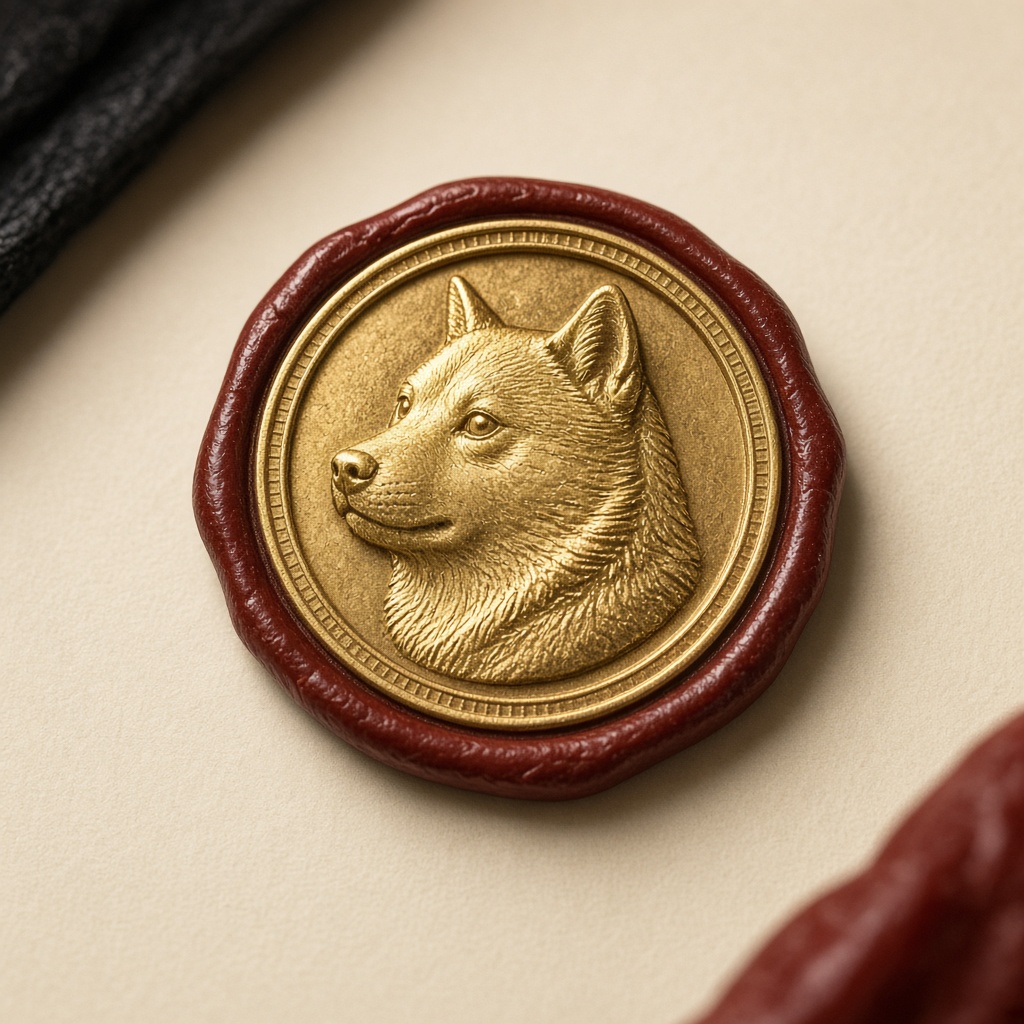
A Shiba Inu in Sakura, Japan, looks slightly to camera. The picture will be stolen, captioned, and made immortal — first as a joke, then as a monetary mark.
Doge becomes a dialect
Comic Sans captions in broken interior monologue — “such wow”, “very currency” — spread across Tumblr and Reddit. The voice is the point: unserious on purpose.
Jackson Palmer buys Dogecoin.com
A splash page, a coin logo, Comic Sans. There is not yet a chain. Billy Markus, tinkering with a Nintendo-themed coin called Bells, writes to volunteer the software.
Community Era (2014–2020)
Dogecoin genesis
A Litecoin/Luckycoin descendant with one-minute blocks and random early rewards. Within a month the website logs more than a million visitors. The joke clears the room.
Tipping becomes the product
Reddit and Twitter learn to throw coins at kindness. Dogetipbot turns comments into a mint. Charity runs for a Jamaican bobsled team, a Kenyan well, a NASCAR paint scheme.
Random block rewards end
The first ~145,000 blocks paid a pseudorandom subsidy. A static reward replaces it. A decade later that early mess becomes the hardest problem in Doginals indexing.
Supply is left uncapped
Palmer argues against a 100 billion hard cap. Inflation becomes policy: roughly five billion new DOGE a year after the 100 billionth coin is mined in 2015.
The founders step away
Core maintainers inherit a joke that refused to die. Palmer later rejects crypto as extractive. Markus stays a dry witness. The chain keeps making blocks.
2021 Boom
The 2021 boom
Reddit, TikTok, Elon Musk, a peak capitalization north of $80 billion. The meme learns what a liquidity event feels like. Then it forgets, as memes also do.
Bitcoin Ordinals
Casey Rodarmor ships a way to number satoshis and inscribe data onto them. Taproot makes the envelopes cheap. A culture of on-chain JPEGs detonates.
apezord/doginals
A minter and a protocol note: inscriptions as push-data, P2SH envelopes, multipart payloads, chained transactions. The Dogecoin analogue has a name.
Shibescription #0
The first numbered Doginal in the Apezord lineage. An image, not a token. Collectors will later argue about everything after this; almost no one argues about this.
Inscriptions Arrive (2023)
BRC-20 on Bitcoin
Domo publishes a JSON deploy/mint/transfer toy. It is not a smart contract. It becomes a market anyway. Dogecoin is about to copy the homework.
$DOGI deploy (21 million)
The first widely cited DRC-20. Indexers that begin at genesis treat later dogi deploys as invalid. Indexers that begin in May do not. A schism with a ticker.
The indexer stall
Anyone can inscribe. Almost no one can transfer with confidence. Random early subsidies make honest shibe numbering a research project.
The 2.1 billion dogi
A second deploy, later branded DOGIM in some wallets, becomes canonical for indexers that ignore the spring. Two histories, one ticker spelling.
Cardinals
A competing inscription stack with different confirmation tricks and a swap story. The house records it as a fork in culture, not a successor.
Block-0 indexers and markets
Doge Labs and others publish wallets, explorers, and a PSDT marketplace path. Infrastructure, not consensus, decides which Doginal you actually own.
Suchdoginals opens the story
Much history, so story, very Doginals — aimed at Doge Soft, the Dogecoin Layer 1 stack.
deep reads
The essays that tell the full story
The timeline is dates. These articles are arguments.
Dogecoin
A Litecoin descendant launched as a joke on 6 December 2013, which then refused to remain one.
Doge, Kabosu, and the face on the coin
How a 2010 photograph became a dialect, then a ticker.
The 2021 boom
When the joke became, briefly, one of the largest assets in digital finance.
Tipping culture
Dogecoin’s first product was a gesture, not a settlement layer.
Doginals
The 2023 metaprotocol for inscribing data onto numbered shibes of Dogecoin.